
All Wines Available For Purchase In-Store
Celebrate Harvest Wine Month in Paso Robles
at Bottles & Barrels
October is when California’s Central Coast puts on its best show. Grapes are coming off the vines, the days are warm, the nights are cool, and Paso Robles Wine Country celebrates all month long with Harvest Wine Month. You don’t have to book a flight to California to get in on it. Here at Bottles & Barrels, we love any excuse to explore a great wine region, so we put together a quick guide to what Harvest Wine Month is, where Paso Robles wine came from, and why this corner of California has become one of the most exciting wine regions in the country.
What is Harvest Wine Month?
Harvest Wine Month is Paso Robles Wine Country’s October celebration of the new vintage. Hosted by the Paso Robles Wine Country Alliance, it’s a month-long party in which wineries across the region put on their own harvest-season events: vineyard tours, winemaker dinners, grape stomps, live music, and other hands-on ways to see how the year’s work turns into wine. October is a favorite time to visit because of the classic Paso weather pattern, with warm days and cool nights, plus the golden colors and unmistakable smell of harvest in the air.
It’s also the second act of a bigger fall season. September is California Wine Month, and Harvest Wine Month carries the celebration through October, right as the grapes make their way from the vineyard to the cellar.
Good to know: Paso Robles also celebrates Paso Robles Wine Month each April, a separate promotion that spotlights the region’s wines in stores and restaurants across the country. October’s celebration is all about harvest.
A Brief History of Paso Robles Wine
The name “Paso Robles” comes from the Spanish “El Paso de Robles,” or “Pass of the Oaks,” and wine has been part of the story here for well over two centuries.
The Mission Era: Grapes first arrived in the area in 1797, when Franciscan friars founded Mission San Miguel Arcángel and planted vineyards to make wine for the mission. After the California missions were secularized in the 1830s, those early plantings faded away.
The Pioneers: Commercial winemaking took root in 1882, when settler Andrew York planted vines and built a winery on the hills west of town. He’s credited with helping introduce Zinfandel, which became Paso Robles’s heritage grape, and the winery he started is still operating today under the name Epoch Estate Wines. Italian immigrant families, including the Dusi family, planted old-vine Zinfandel in the early 1900s, and some of those vineyards are still producing. In the early 20th century, celebrated Polish pianist and statesman Ignacy Jan Paderewski bought a ranch on the Adelaida hills and planted Zinfandel and Petite Sirah. His legacy lives on today in the Paderewski Festival, held in Paso each November.
The Modern Revival: After Prohibition, the region stayed mostly agricultural until the 1960s, when a new generation of growers began experimenting with Cabernet Sauvignon. In the 1970s, winemaker Gary Eberle and partner Cliff Giacobine planted hundreds of acres of vineyards that included a large block of Syrah, and the cuttings from those vines went on to spread across California. Paso Robles earned its official American Viticultural Area (AVA) designation in 1983, when the region had just 17 wineries and about 5,000 acres of vines.
The Rhône Revolution: In 1987, the Perrin family of Château de Beaucastel in Châteauneuf-du-Pape partnered with the Haas family to found Tablas Creek Vineyard. They imported vine cuttings straight from France and shared them with other growers, helping launch a Rhône-style movement (think Syrah, Grenache, Mourvèdre, and Roussanne) that now defines much of the region’s identity.
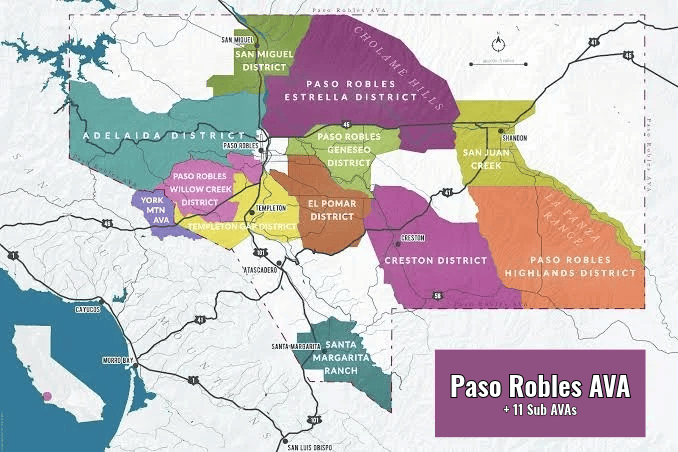
Today: The winery count has grown from roughly 20 in 1990 to well over 200, and in 2014 the big AVA was officially divided into 11 smaller sub-regions, each with its own soils, elevation, and climate.
Paso Robles Wine Country, By the Numbers
- 11 sub-AVAs within the larger Paso Robles AVA: Adelaida District, Creston District, El Pomar District, Paso Robles Estrella District, Paso Robles Geneseo District, Paso Robles Highlands District, Paso Robles Willow Creek District, San Juan Creek, San Miguel District, Santa Margarita Ranch, and Templeton Gap District
- 35,000+ acres of wine grapes planted, making Paso Robles California’s largest wine region by geographic area
- 200+ tasting rooms and wineries scattered across rolling oak-studded hills
- 60+ grape varieties grown, from Cabernet Sauvignon and Zinfandel to Grenache, Tempranillo, and Albariño
- Up to a 50°F swing between daytime highs and nighttime lows during the growing season, one of the biggest temperature shifts of any California wine region
- Roughly 6 miles from the Pacific Ocean at the region’s western edge, close enough to feel cool coastal air
- Halfway between Los Angeles and San Francisco, tucked between the coast and the Salinas River Valley
Celebrate Harvest Wine Month at Bottles & Barrels
You don’t need a plane ticket to bring a little wine country to your October. Our two self-serve wine stations rotate through 16 varietals at a time, so it’s easy to taste bold reds, crisp whites, and everything in between before you commit to a bottle. In addition, we’ll be hosting Paso Robles themed events all month long. Stop in, open a tab, and ask our team about wines from California’s Central Coast. Harvest season is a great excuse to find a new favorite.
Bottles & Barrels Featured Paso Robles Wines:
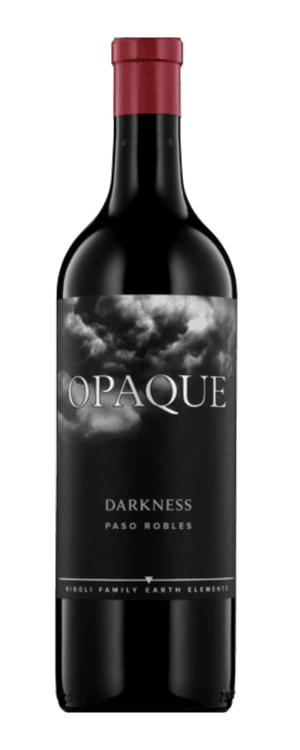
Opaque Darkness
Red Blend
Opaque Darkness reveals a deep and dark color. Aromas of black cherry, raspberry, and dark chocolate fill the glass and are mirrored on the rich, broad palate. French and American oak barrels add notes of spice to this concentrated wine, which finishes with a touch of brown sugar, mineral, and spice.
VARIETAL: 38% Zinfandel, 30% Primitivo, 19% Petite Sirah, 13% Petit Verdot
APPELLATION: Paso Robles
AGING: 18 months in 72% new French oak, 12% American oak
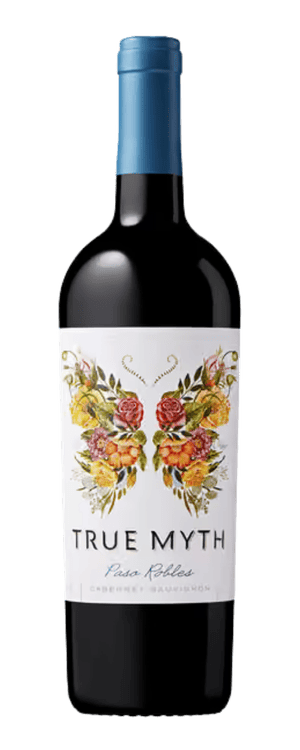
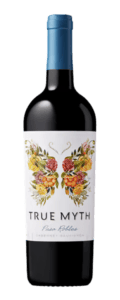
True Myth
Cabernet Sauvignon
This Cabernet Sauvignon is pure Paso Robles, full of rich dark fruit, balanced with subtle caramelized oak.
VARIETAL: 100% Cabernet Sauvignon
APPELLATION: Paso Robles
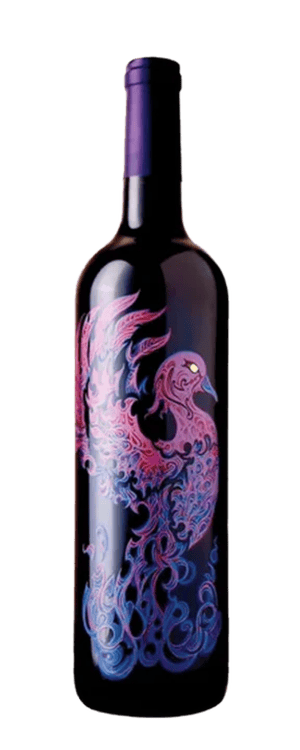
Canard Resurgence
Cabernet Sauvignon
The inspiration for this bottle came out of the fires that have consumed the California wine region over the last few years. This bottle represents the unwavering resolve of the farmers, vintners and winemakers who continue to produce great wine in the face of adversity. It is not a Phoenix, but a Duck rising from the ashes.
VARIETAL: 100% Cabernet Sauvignon
APPELLATION: Paso Robles
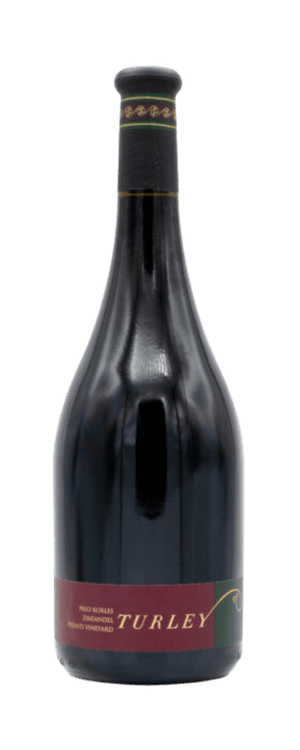
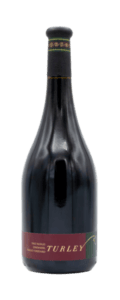
Turley Pesenti Vineyard Zinfandel
This certified organic estate-owned vineyard was planted in the 1920s on ancient marine calcareous soils. Though the vines are head-trained and dry-farmed, the soil plays the most important role in distinguishing this vineyard on the west side of Paso Robles. The wines have a brightness, with chalk and floral characteristic aromas unique to the site, and to Zinfandel in general.
VARIETAL: Zinfandel, Carignane, Grenache
APPELLATION: Paso Robles
AGING: Aged for 15 months in 80% used oak, 20% new; 80% French oak, 20% American
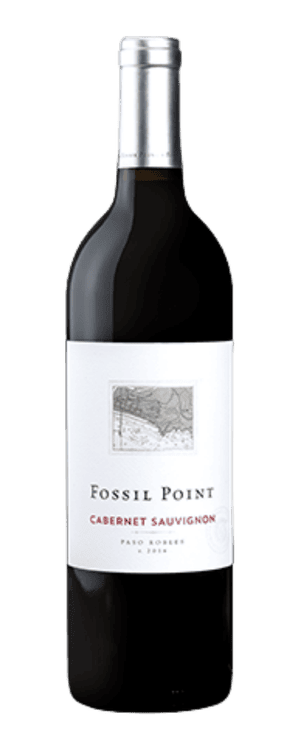
Fossil Point
Cabernet Sauvignon
Dense and dark, with fruit character of black-currant, dried plum and cocoa. French oak and sandalwood tones frame the tannins which suggest carob and walnut. Delicious and rich, but with enough balance to be well-suited at the table.
VARIETAL: 93% Cabernet Sauvignon, 7% Petit Verdot
APPELLATION: Paso Robles
AGING: 18 months French-oak aged
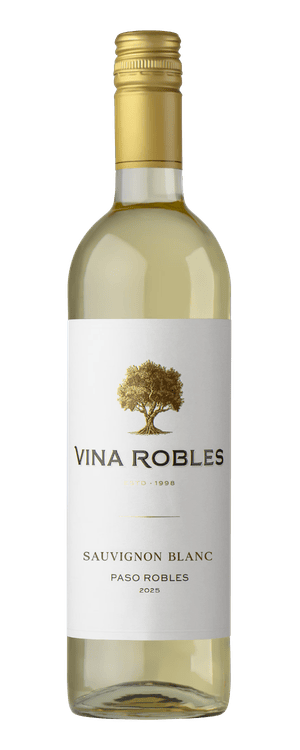
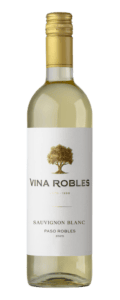
Vina Robles
Sauvignon Blanc
Bright, expressive, and distinctly tropical, the 2025 Sauvignon Blanc hightlights a shift toward a more fruit driven profile with less herbaceous character than previous vintages. The result is a vibrant, aromatic wine with lifted florals, juicy texture, and a long, refreshing finish.
VARIETAL: 100% Sauvignon Blanc
APPELLATION: Paso Robles
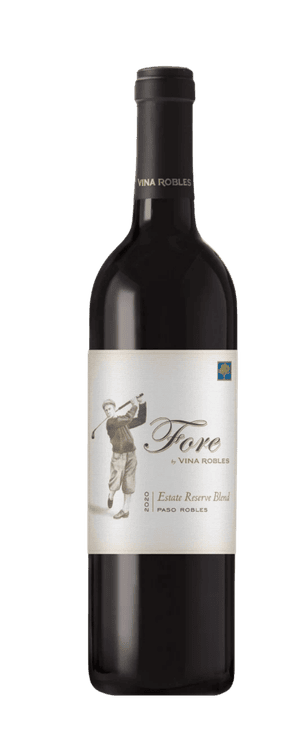
Vina Robles
Fore Reserve Red Blend
Fruit for the 2023 Fore Reserve Red Blend comes from two SIP certified vineyards in the Paso Robles AVA. The range of characteristics offered by this fruit gives us more than ample latitude to make creative blends. The lots were picked and fermented separately in small fermenters before undergoing malolactic fermentation and aging for 20 months in French, Hungarian and American oak barrels. The finished wine is a synergistic blend of three varieties that grow exceptionally well in our Paso Robles estate vineyards. It showcases bold, expressive fruit along with supple yet ageworthy tannins.
VARIETAL: 69% Cabernet Sauvignon, 27% Petite Sirah, 4% Petit Verdot
APPELLATION: Paso Robles
AGING: 20 months in French, Hungarian, and American oak barrels
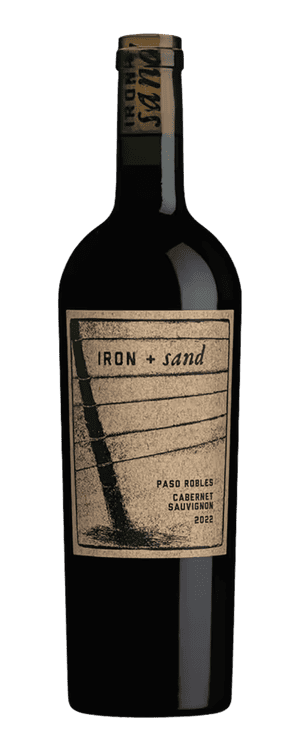
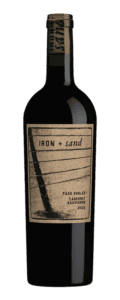
Iron + Sand
Cabernet Sauvignon
Dense purple in color, this wine opens with aromas of ripe red fruits, cherries, anise, cedar, savory spice, roasted coffee, and tobacco. The wine is velvety and lush presenting delicious flavors of raspberry, cherry and plum with warm baking spice, earthy undertones, and a hint of vanilla. The flavors are complemented by lively acidity and fine tannins that lift the wine suggesting a long life. The finish is long, supple and mouthwatering. This Paso Robles Cabernet is the perfect match for local almond wood grilled chicken with a side of stone ground grits, roasted poblano chiles and pepper jack cheese.
VARIETAL: 90% Cabernet Sauvignon, 5% Petit Verdot, 5% Petite Sirah
APPELLATION: Paso Robles
AGING: Majority aged an average of 9 months in neutral French and American oak barrels
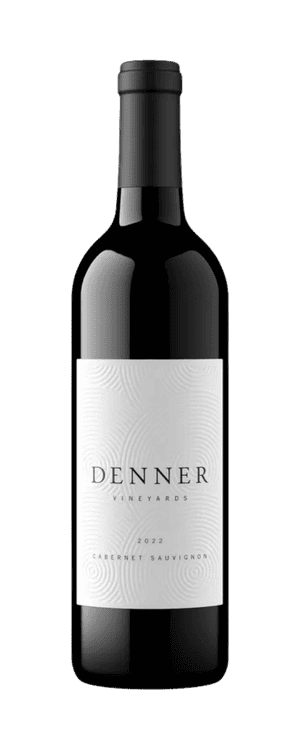
Denner Vineyards
Cabernet Sauvignon
The 2022 Cabernet Sauvignon opens with brooding notes of black currant, humidor, soy and seared plum. The palate boasts elements of black licorice, lavender, sage, and mint. For all its generosity on the mid-palate and mouthfeel, this wine remains incredibly fresh – showing impressive verve on the dynamic finish.
VARIETAL: 79% Cabernet Sauvignon, 14% Petit Verdot, 6% Tannat, 1% Carignan
APPELLATION: Paso Robles
AGING: Aged for 22 months in 225L French oak barriques: 53% new, 47% used.
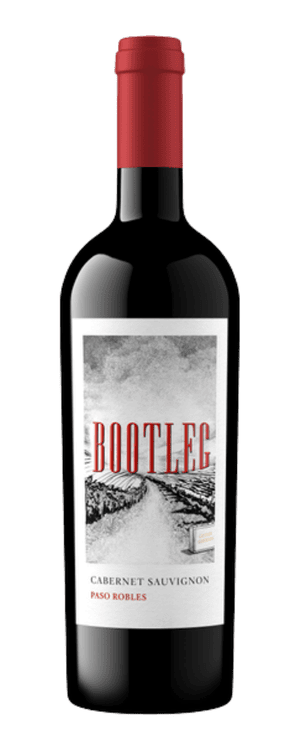
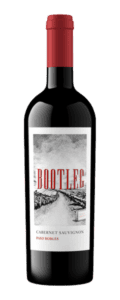
Bootleg
Cabernet Sauvignon
The unique soils and cold night air of Paso Robles allow Bootleg’s winemaker to work in the sweet spot where exuberance meets precision. This is fresh, unconstrained Cabernet Sauvignon that spills onto the palate like ink, surprises you with its silkiness, then unpacks complex flavors of heaven on earth.
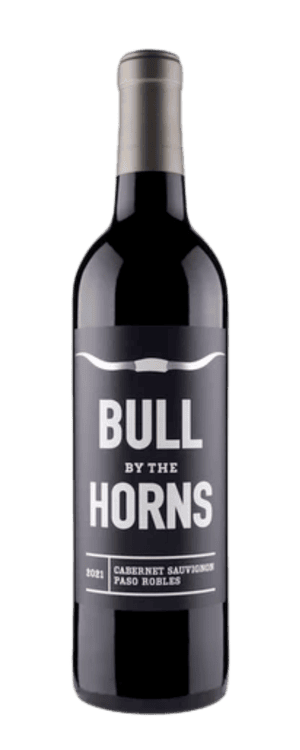
McPrice Myers
Bull by the Horns
Cabernet Sauvignon
Black currant and Bing cherry lead, with cassis, cracked pepper, cocoa nib, dried sage, and a graphite edge underneath. The extra hang time built real aromatic lift, and the cooler season left the acidity intact – this vintage has more spine and more perfume than its predecessors, with fine-grained tannins that still glide.
VARIETAL: 100% Cabernet Sauvignon
APPELLATION: Paso Robles
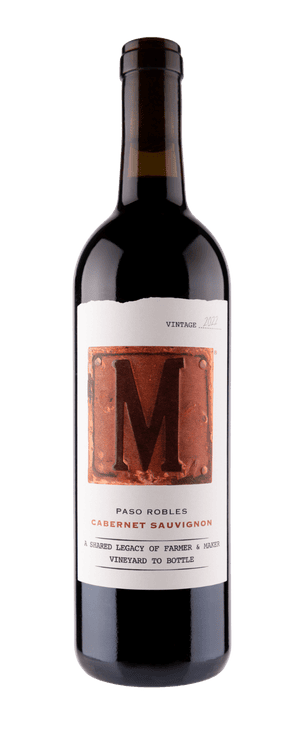
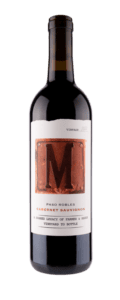
McPrice Myers "M"
Cabernet Sauvignon
TASTING NOTES: Blackberry, chocolate-raspberry, espresso roast coffee, au jus, cardamom, cigar box, new leather, dense, youthful tannin, persistent finish.
APPELLATION: Paso Robles
AGING: Aged 12 months in 225- and 228-liter French and American oak barriques, 20% new.
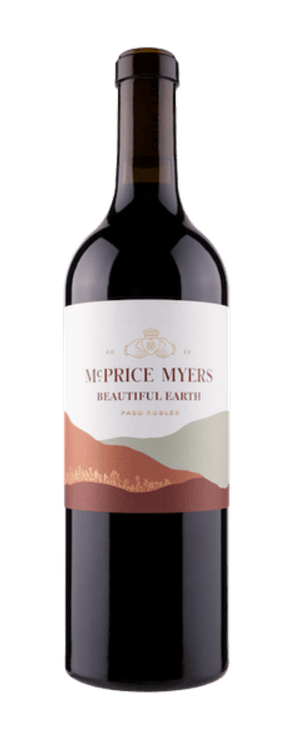
McPrice Myers
Beautiful Earth Red Blend
Opens with dark olallieberry, pomegranate, and a savory lift of grilled herbs and smoked meat, which has been the signature of this wine since the beginning. Syrah – three-quarters of the blend – sets the foundation: deep and dark-fruited. Petite Sirah adds density and grip, Mourvèdre brings that characteristic earthiness and keeps everything grounded. Grenache is quieter here than in past vintages but still present, threading in a little brightness and spice. Cinsault and Graciano are small in proportion but meaningful in effect – they’re the reason the wine feels alive rather than simply full, adding a savory, slightly wild energy that keeps you coming back to the glass. The palate is full but not heavy, the tannins dusty and long, with a thread of calcareous minerality running underneath all of it.
VARIETAL: 74% Syrah, 12% Petite Sirah, 6% Mourvèdre, 4% Grenache, 2% Cinsault, 2% Graciano
APPELLATION: Paso Robles
AGING: Aged for 10 months on 10% new French oak
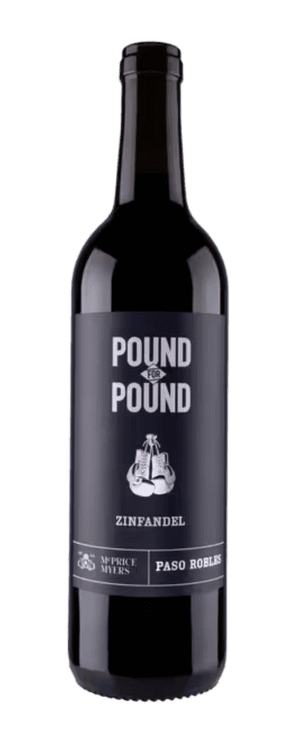
McPrice Myers
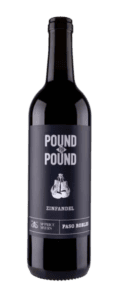
Pound for Pound
Zinfandel
The 2025 growing season handed Paso Robles an unusual pairing: drought and cold. Winter rain came up short, which meant smaller canopies and naturally modest yields, and then the region went on to record one of its coolest growing seasons ever – including the mildest July on the books. No heat spikes, no scramble. Just a long, even ripening window. That combination is a gift to Zinfandel. Zin is the variety that punishes you in a hot year – it raisins, it ripens unevenly, it runs hot. Give it a cool season and small berries instead, and you get what’s in this bottle: deep color, real concentration, and acidity that stayed put.
VARIETAL: Zinfandel
APPELLATION: Paso Robles
AGING: 10 months
McPrice Myers "M"
Cabernet Sauvignon
The fruit for this wine was sourced from some of the premier upper blocks of the estate. The 2019 vintage allowed for optimal, long hang time in the vineyard. The wine was pumped over twice daily until a balance of color, structure, and flavor extraction had been achieved. Malolactic fermentation on oak smoothed and softened the wine. The wine matured for 15 months in barrels (with 30% new oak). A small amount of Cabernet Sauvignon was carefully blended to polish the structure and enhance the aromatic intensity of the Merlot
VARIETAL: 90% Merlot, 10% Cabernet Sauvignon
APPELLATION: Columbia Valley
AGING: Aged for 15 months in barrels with 30% new oak